Category: NEWS
The 5 Most Beautiful Beaches in Puglia
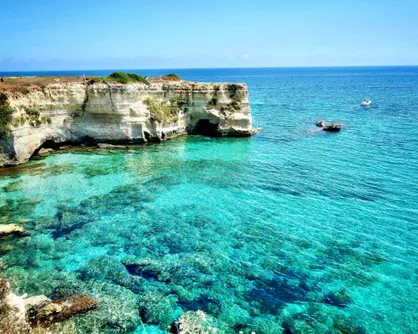
From the white cliffs of the Gargano to the golden sands of Salento: five stretches of Puglia coastline where time seems to slow down.
Discover More
Venetian masks were originally created to conceal a person’s identity and allow people from different social classes to meet freely. During Carnival, nobles and commoners could attend parties and performances without being recognised.
Among the most famous masks are:
The Bauta covered the face while still allowing the wearer to speak and eat without removing it. It was often worn with a black cloak and a tricorne hat.
The Moretta was a small oval mask made of black velvet, worn mainly by women. It was held in place by gripping a small button between the teeth, preventing the wearer from speaking.
The Volto is a simple white mask, also known as the Larva. It completely conceals the wearer’s facial features.
The Gnaga represented a feline face and was traditionally worn by men portraying female characters.
Characterised by its long beak, the Plague Doctor mask originated from the protective clothing worn by some physicians during epidemics. It only later became part of Carnival imagery.
In the eighteenth century, the Venetian Carnival reached the height of its splendour. Masks were worn in theatres, at private parties and in gaming houses, becoming symbols of freedom, mystery and transgression.
Following the fall of the Republic of Venice in 1797, the tradition entered a long period of decline. The modern Carnival was officially revived in 1979, and today its masks, often handmade from papier-mâché, are known throughout the world.
Behind their beauty still lies the ancient promise of Carnival: for a few hours, anyone can forget their usual role and become someone else.
Category: NEWS
From the white cliffs of the Gargano to the golden sands of Salento: five stretches of Puglia coastline where time seems to slow down.
Discover MoreCategory: NEWS
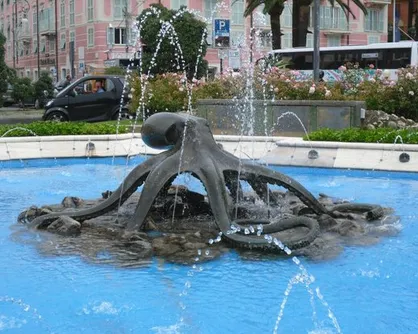
A small bronze landmark that became part of Rapallo’s everyday memory, and a favourite meeting point along the seafront.
Discover MoreCategory: NEWS
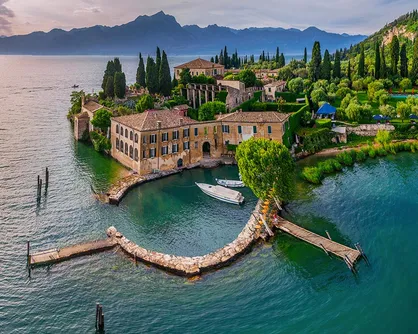
Sailing at dawn, cycling at sunset and via ferrata in between: Lake Garda has an outdoor adventure for every kind of traveller.
Discover More