Category: NEWS
The 5 Most Beautiful Beaches in Puglia
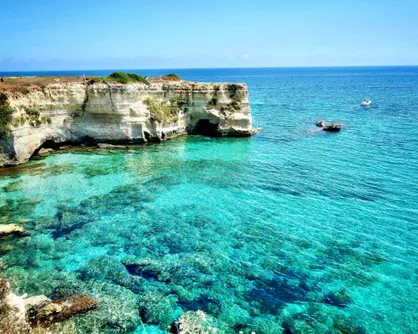
From the white cliffs of the Gargano to the golden sands of Salento: five stretches of Puglia coastline where time seems to slow down.
Discover More
Among the Tien Shan mountains, high plateaus and great lakes of Kyrgyzstan, a culture deeply connected to nomadic life continues to survive.
The Kyrgyz yurt, often called a boz üi, is a circular structure made from a wooden frame covered with felt.
It can be assembled, dismantled and transported relatively easily, an essential feature for communities that once moved according to the seasons and the availability of pastureland.
UNESCO considers the yurt a symbol of family and hospitality.
In Kyrgyz culture, welcoming a traveller has traditionally been regarded as a moral duty.
In mountainous areas, where distances are vast and weather conditions can change quickly, offering food and shelter was also essential for survival.
The table, known as the dastorkon, is not simply a place where people eat, but a space for gathering and sharing.
Refusing all food may be considered impolite. It is not necessary to eat large amounts, but tasting something and expressing thanks is a simple way to show appreciation for the welcome received.
Bread holds a special place in everyday life.
It may be broken and shared during a meal, but it should not be thrown away, placed on the ground or turned upside down.
Among the most common preparations are boorsok, small pieces of fried dough served during celebrations, family gatherings and important occasions.
They are brought to the table alongside other foods and eaten with tea, cream or jam.
In pastoral regions, dairy products are also widely consumed. The best known is kymyz, fermented mare’s milk with a sour flavour and a low alcohol content.
The horse has played a central role in the mobility, work and diet of the nomadic peoples of Central Asia.
Even today, it remains an important part of Kyrgyz national identity and rural life.
During the summer, horses are used to manage herds, cross high plateaus and transport people and materials.
The bond with the horse is also reflected in traditional games.
The most famous is kok boru, a team competition in which riders attempt to seize a goat carcass and place it in the opposing team’s scoring area.
It is a fast, physical sport with a strong cultural identity, and it has been included by UNESCO on the Intangible Cultural Heritage list.
Felt is produced from wool and is one of the most important materials in pastoral culture.
It protects the yurt from the cold, but it is also used to make hats, bags and decorative carpets.
A shyrdak is a carpet made from pieces of coloured felt, cut and stitched together to create geometric and symbolic patterns.
Its production requires considerable time and skill, traditionally passed down within families and artisan communities.
The art of making shyrdak carpets has been recognised by UNESCO as intangible cultural heritage in need of urgent safeguarding.
The ak-kalpak is the traditional Kyrgyz men’s hat.
It is made from white felt, has a tall shape and may be decorated with dark edging and embroidery.
It is not simply part of a traditional costume. It is still worn in everyday life, during festivals and at ceremonies, especially by older men.
Its shape and decoration may indicate a person’s origin, age and social status.
The knowledge and skills connected to its production and use were added to UNESCO’s Intangible Cultural Heritage list in 2019.
Before writing became widespread, the history and values of communities were preserved through the spoken word.
The greatest example of this tradition is the Epic of Manas, an immense narrative cycle devoted to the deeds of the hero Manas, his son Semetey and his grandson Seytek.
The poem has been passed down orally by storytellers known as manaschi.
The performance is not simply the repetition of a memorised text. Each storyteller uses rhythm, voice, gesture and improvisation.
The epic recounts battles and migrations, but also explores family bonds, unity, courage and the relationship with the land.
The trilogy of Manas, Semetey and Seytek was recognised by UNESCO in 2013.
Category: NEWS
From the white cliffs of the Gargano to the golden sands of Salento: five stretches of Puglia coastline where time seems to slow down.
Discover MoreCategory: NEWS
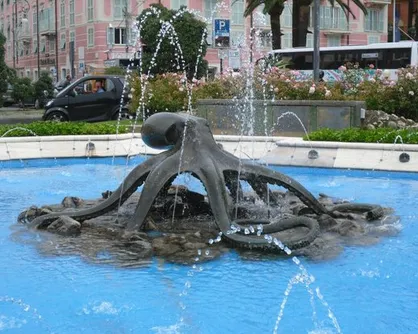
A small bronze landmark that became part of Rapallo’s everyday memory, and a favourite meeting point along the seafront.
Discover MoreCategory: NEWS
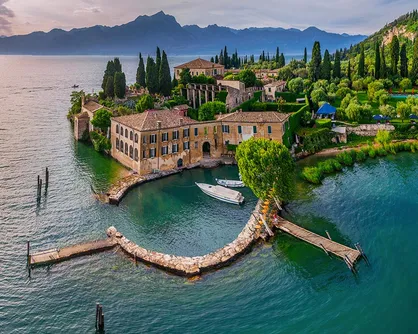
Sailing at dawn, cycling at sunset and via ferrata in between: Lake Garda has an outdoor adventure for every kind of traveller.
Discover More